
Handmade rugs, particularly antique and vintage pieces, are more than just floor coverings—they are timeless works of art that often carry significant cultural and historical value. These rugs tell stories through their intricate designs, rare materials, and craftsmanship, making them irreplaceable treasures in any home. Over time, however, these valuable rugs may show signs of wear, stains, and fading. Proper care and restoration are essential to preserve their beauty and integrity.
In this guide, we’ll explore the delicate process of cleaning and restoring high-value handmade rugs, with a focus on antique and vintage rugs. Whether you own one of these masterpieces or are considering adding one to your collection, understanding how to properly care for them can help protect your investment for generations to come.
The Unique Challenges of Cleaning Antique and Vintage Rugs
Cleaning antique and vintage handmade rugs requires a different approach than standard rug cleaning. These rugs often feature delicate materials, intricate designs, and dyes that can be easily damaged if not treated properly. Common challenges include:

Delicate Fibers
Antique rugs are often made from natural fibers such as wool, silk, or cotton. These materials can become brittle over time, and improper cleaning techniques can lead to fraying, fading, or even fiber loss.
Fading and Discoloration
Many antique and vintage rugs have been exposed to sunlight, air, and environmental factors over the years, leading to fading or discoloration. Reversing or minimizing these effects requires specialized care and expertise.
Stubborn Stains and Odors
While modern rugs may be treated to resist stains, vintage rugs are often more susceptible to dirt, stains, and odors due to their age and the natural dyes used. These stains require gentle yet effective methods for removal.
The Professional Rug Cleaning Process for High-Value Handmade Rugs

Cleaning an antique or vintage rug is a delicate process that requires the expertise of professionals who understand the intricacies of these valuable pieces. Here’s an overview of the process:
Initial Inspection and Assessment
Before any cleaning or restoration begins, a thorough inspection of the rug is essential. This step allows professionals to assess the rug’s condition, identify areas of concern (such as stains, damage, or wear), and determine the best approach for cleaning and restoration. Factors like the rug’s age, material, and origin are also taken into account.
Gentle Dusting and Vacuuming
The first step in the cleaning process is gentle dusting and vacuuming. This helps remove dirt and debris that has settled deep within the fibers. Professionals use specialized vacuuming techniques that avoid damaging the delicate fibers while thoroughly cleaning the rug.
Hand Washing with Specialized Cleaning Solutions
For vintage and antique rugs, hand washing is often the best method. This process involves carefully soaking the rug and applying a gentle, pH-balanced cleaning solution. The rug is then washed by hand to lift dirt, stains, and other contaminants without damaging the fibers or dyes.
Drying in a Controlled Environment
Proper drying is critical in rug cleaning. Antique rugs must be dried in a controlled environment to avoid distortion or shrinkage. Professionals use techniques such as air drying in a shaded area, ensuring that the rug retains its shape and structure.
Restoring Antique and Vintage Rugs: Bringing Your Rug Back to Life
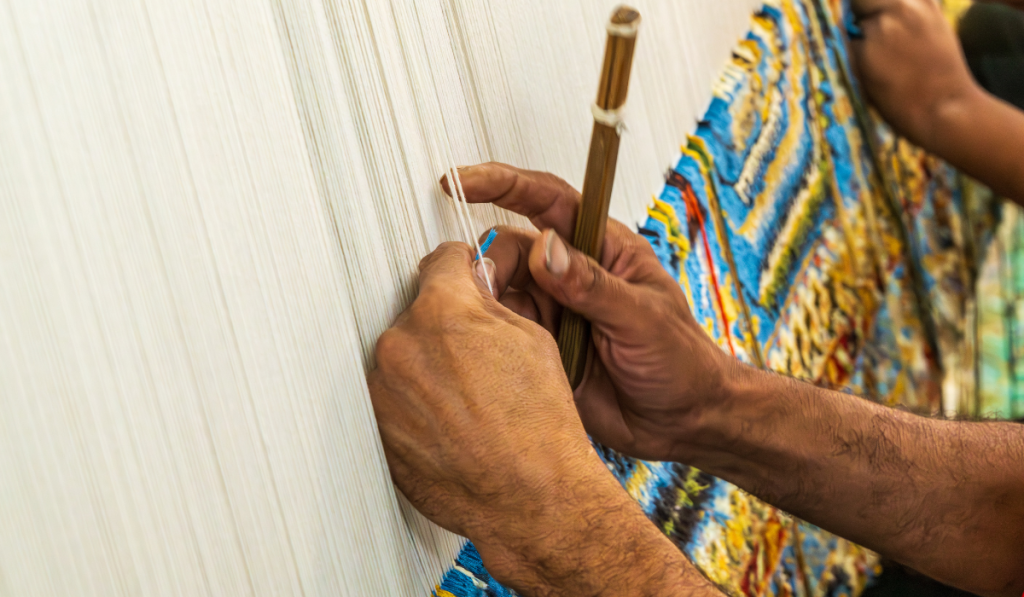
Restoration of antique and vintage rugs is a highly specialized process that goes beyond cleaning. It involves repairing damage and preserving the rug’s original beauty. Here are some common restoration techniques
Reweaving and Patching
Over time, high-traffic areas or damage from pests can cause holes or thinning in the fibers. Reweaving and patching are common restoration methods that involve carefully weaving new fibers into the damaged areas to restore the rug’s structure and design. This is done by hand to match the original weave and pattern.
Fringe Repair and Restoration
The fringe on antique and vintage rugs can often become worn, frayed, or damaged. Skilled artisans can restore or replace the fringe, carefully matching the original style and material to ensure that it blends seamlessly with the rest of the rug.
Color Restoration
Fading and discoloration can detract from the beauty of a vintage or antique rug. Color restoration involves re-dyeing specific areas of the rug to restore its original hues while preserving the authenticity of the design. This process requires an expert understanding of the natural dyes and colors used in the original weaving.
Rebinding and Edge Repair
Over time, the edges of a rug can become frayed or unravel due to wear. Rebinding involves sewing or weaving new fibers into the edges to restore the rug’s shape and prevent further damage. This is a delicate process that requires precise techniques to ensure the finished edges match the rug’s original appearance.
When to Call a Professional for Restoration
If your antique or vintage rug has significant damage, such as major fraying, holes, or fading, it’s important to contact a professional restoration service. Don’t attempt DIY repairs, as this can result in further damage to the rug.
Handmade antique and vintage rugs are not just beautiful; they are valuable works of art that require the utmost care and attention. Proper cleaning and restoration ensure that these timeless treasures continue to enhance your home for generations to come. If you own or are considering purchasing a high-value handmade rug, working with experienced professionals in cleaning and restoration is the best way to protect your investment.
At A&A Oriental Antique Rug Warehouse, we specialize in cleaning and restoring high-value handmade rugs, ensuring that each piece receives the care it deserves. Whether you need cleaning, restoration, or advice on preserving your rug, our expert team is here to help. Contact us today to learn more about our services and how we can help restore the beauty of your antique and vintage rugs.